
By Bryan Foley
July 2026
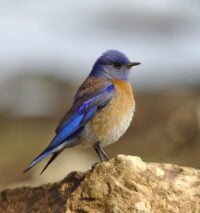
In addition to serving as the Trail Captain at Split Rock and the Land Steward for the Pollock Property, I have taken over the responsibility of monitoring our bird boxes following Brian Cornfield’s retirement from the role. For the past eight years, I have been a member of a dedicated group in Mono that oversees over 100 bird boxes.
While species such as bluebirds, tree swallows, and barn swallows are not currently endangered, their populations have been negatively impacted by habitat loss, urban sprawl, and climate change. By building, maintaining, and monitoring these boxes, we aim to provide a safe environment where these birds can thrive and assist in the recovery of their numbers.
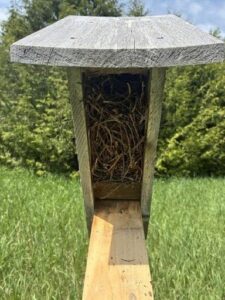
As you explore these properties, you may notice that the boxes are placed in pairs, approximately 20 to 30 feet apart. This pairing is intentional; if a House Wren claims one box, a bluebird or tree swallow will often occupy the neighboring one. These boxes, originally designed and positioned by Brian Cornfield, are strategically situated in open fields near forested areas.
We currently maintain 14 boxes at Split Rock and 16 at the Russell and Pollock properties. I clean the boxes every fall, and the monitoring season begins in early April. During these initial spring checks, I occasionally encounter casualties due to cold snaps or a lack of available insects. Throughout the season, we also remain vigilant against predators, particularly aggressive House Wrens.
My monitoring schedule follows a consistent cadence:
- April: Every three weeks.
- May, June, and July: Every two weeks, as this is the peak period for egg-laying and fledging.
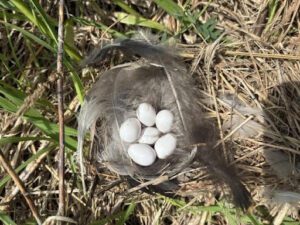
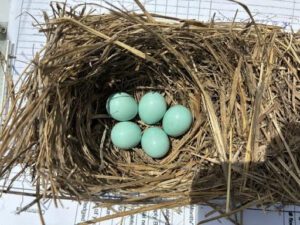
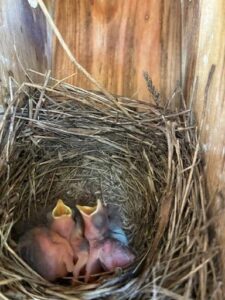
During each site visit, I record the date, box number, and the status of the nest. Data points include the presence of birds, nest completion status, number of eggs, species identification, and the number and age of any hatchlings. Once a chick hatches, it typically fledges within 16 to 18 days. Our monitoring efforts conclude by mid-July.
Finally, the success of our program is largely due to the precise placement of the boxes and the use of 1-1/8” access holes, which have proven highly effective in attracting the intended species to these properties.
If you have any questions regarding boxes or birds you may contact me at bryfoley50@gmail.com
 Rally your friends and family and get ready to hike, laugh, sweat, and conquer 25 km through the picturesque and peaceful Boyne Valley.