Find out how all trail users can contribute.
This page contains the following articles:
- Invasive Species Awareness
- Boot Brush Stations
- How to Limit the Spread of Invasive Species on the Bruce Trail
- How your iNaturalist Data makes a Difference
- A Guide to Using iNaturalist and Contributing to the BTC Project
- The Power of iNaturalist
1. Invasive Species Awareness
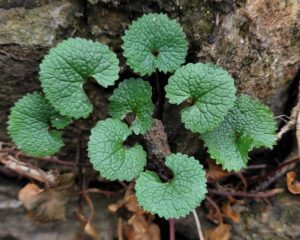
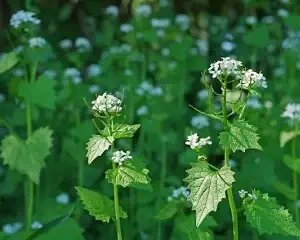
Invasive species threaten native flora, wildlife, and water by using up space and nutritive resources, effectively crowding out natural habitat.
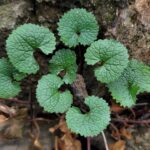
One of the most prevalent invasive species in Dufferin Hi-Land is Garlic Mustard, an early arrival every spring. Learn how you can minimize invasive species spread while enjoying the Bruce Trail by reviewing these resources:
- How to Limit the Spread of Invasive Species article
- Bruce Trail Conservancy info: Invasive species along the Niagara Escarpment
- Bruce Trail Conservancy Webinar: Invasive Species: Plants, Pests, and Pathogens (YouTube)
- Fact Sheet – visit Ontario.ca to view the Invasive species fact sheets (PDFs). Click here for the Garlic Mustard Fact Sheet.
Interested in getting involved in our Biodiversity events and programs? Email Click Here to Contact Our Biodiversity Director
2. Boot Brush Stations
The article Limit the Spread of Invasive Species on the Bruce Trail listed numerous ways Bruce Trail users can play a role. This post will focus on how to use one of those methods—Boot Brush Station—to limit their spread.
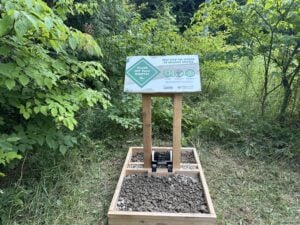 Invasive plant species are those that have become established outside of their natural range and have a negative impact on the environment, economy and/or human health where they are introduced.
Trail users inadvertently transport seeds from one ecosystem to another when these opportunistic organisms hitchhike on footwear, pets, and gear. Once introduced, they quickly become established and compete for light, nutrients, and water, usurping the resources native plants need to grow and thrive. By degrading natural areas, they pose a threat to habitats, agriculture, and forest regeneration.
3. How to Limit the Spread of Invasive Species on the Bruce Trail
Invasive species are defined as non-native species whose introduction causes or is likely to cause economic or environmental harm or harm to human health. Invasive species are one of the top threats to biodiversity because they have few natural predators, reproduce quickly, thrive in disturbed systems, and can out-compete native species for food and habitat.
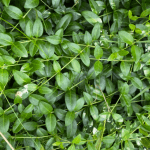
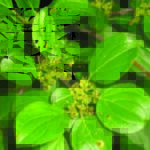
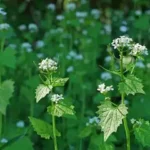
Read more about how you can help…
4. How your iNaturalist Data makes a Difference
Why do your iNaturalist observations matter, where do they go, and what impact do they have? Learn how your contributions are part of the world’s most important source of biodiversity data.
 Discover the impact of iNaturalist’s data and how iNaturalist has grown thanks to the collective efforts of our community.
Speakers share tips for making quality observations, how you can help with identifications and how you can maximize your impact through data sharing.
Whether you’ve been involved for years or are new to iNaturalist, this webinar will provide valuable insights into the impact of your contributions and the exciting future of iNaturalist. You’ll walk away with a deeper understanding of how your observations and identifications are making a difference to global conservation! Listen to the webinar here: iNaturalist.ca Webinar
5. A Guide to Using iNaturalist and Contributing to the BTC Project
The Bruce Trail Conservancy (BTC) iNaturalist project, active since 2018, is a citizen science initiative designed to map and monitor biodiversity along the Niagara Escarpment corridor. Participants record sightings of plants, animals, and fungi using the iNaturalist app, helping ecologists track species, identify invasive populations, and support conservation efforts. Watch the video to learn more.
Or click here to watch.
6. The Power of iNaturalist
The power of field observations by volunteer citizen scientists, the vast iNaturalist database of observations, and the input from trained naturalists work together to contribute to a rich body of scientific knowledge. This is invaluable to the BTC and scientific study in general for identifying native habitat at risk and planning restoration projects.
All trail users are invited to use the iNaturalist app when they are on the Trail to expand their BTC experience and contribute to the knowledge base.
Read volunteer Rod Murray’s iNaturalist journal article to learn more about how easily it works and how you can contribute.